

What additional functions are worth having in mirrors? Guide
It changes the character of the interior, brightens the space and combines design with advanced technology. Check what additional functions a modern mirror should be equipped with.
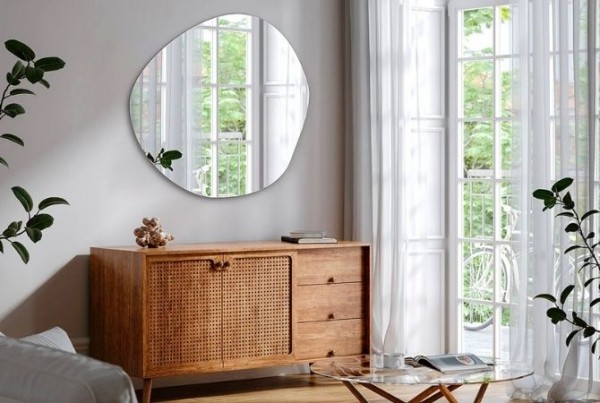
When arranging the living room, it’s easy to focus only on the sofa or coffee table, leaving a cool, empty space above the sideboard. Are you wondering how to choose a mirror for the living room above the sideboard to turn that void into a striking focal point of the room?
A well-chosen mirror above the sideboard is much more than a practical accessory - a gleaming glass surface can beautifully brighten the room, add lightness to the interior, and provide a spectacular optical enlargement of the space. Below we suggest how to perfectly match the dimensions, shape, and frame to create a cohesive and stylish arrangement.
One of the most common dilemmas when arranging the sideboard zone is maintaining proper proportions. A mirror that’s too large can overwhelm the furniture and dominate the entire room, creating a sense of instability. Conversely, a mirror that’s too small will disappear on a wide wall and fail to fulfill its decorative role. The key to success is maintaining visual harmony.
Interior design follows a golden rule: the mirror width should be 60–80% of the sideboard width. The pane should be slightly narrower than the furniture edges – it’s assumed that the mirror should be 10–20 cm narrower than the sideboard on each side (or in total within the outline of the top). This ensures the furniture forms a solid, visually stable base for the hanging decoration.
As for vertical dimensions:
The ideal mirror height is 70–100 cm for traditional hanging models.
Large mirror over 1 meter high works great on narrow, tall sideboards or in high-ceilinged townhouses where you want to emphasize the wall’s vertical lines.
For installation, it’s commonly accepted that the ideal mirror height is 150–160 cm from the floor measured to the center of the pane - so that the focal point naturally sits at adult eye level.
Precisely determining the mounting point decides both functionality and aesthetics. When considering at what height to hang a mirror, remember to keep a gap from the furniture. The mirror should be hung 10–20 cm above the sideboard, and the most commonly recommended range is when the bottom edge of the mirror should be 15 to 25 cm above the sideboard top.
Why is this so important?
It lets you comfortably place a table lamp, a vase with fresh flowers, or candles on the top without obstructing the pane.
It prevents accidental bumping and damage to the frame when reaching for small items.
When the bottom edge keeps a slight distance, the entire silhouette of the furniture and decor looks light and modern.
Also make sure the mirror is centered relative to the axis of the furniture – symmetry brings calm and order.
Did you know that the shape of the mirror affects the room’s dynamics? The bodies of case furniture are by nature composed of straight lines and right angles. By choosing the right geometry of the pane, you can soften those lines or, on the contrary – further emphasize architectural discipline.
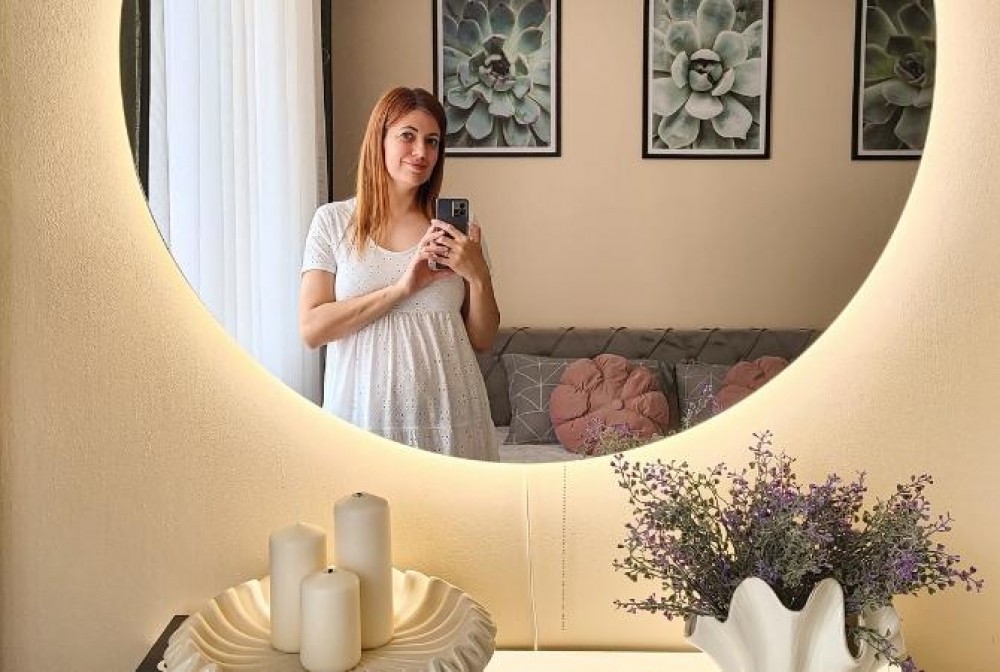
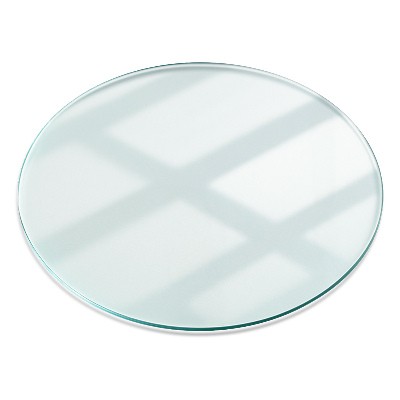
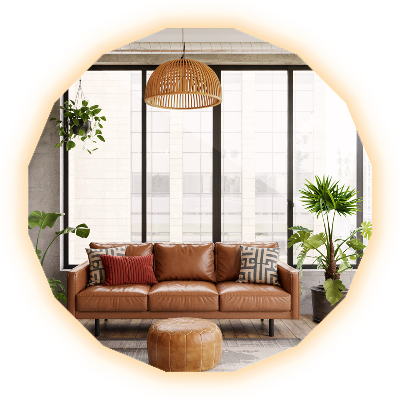
Round mirrors bring harmony to Scandinavian interiors, breaking the monotony of straight fronts and drawers. Meanwhile, an oval mirror or an oval-shaped mirror in a delicate setting is the essence of charm – round and oval mirrors add coziness and make the arrangement gentle on the eye. Mirrors with rounded edges suit the glam style and make even a small nook gain a refined character.
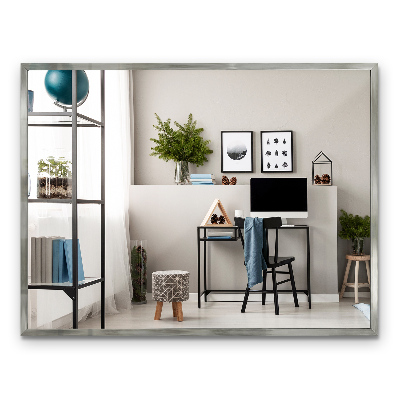
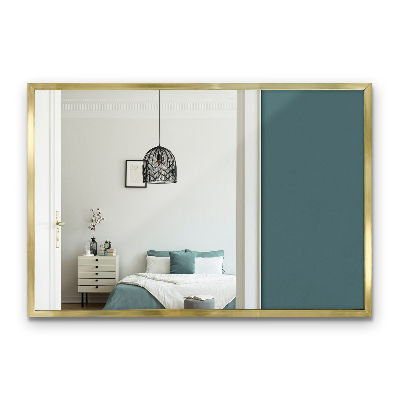
Rectangular mirrors suit modern interiors, bringing restrained elegance. Hung horizontally, they make the wall seem wider, while vertical rectangular mirrors visually raise the ceiling, which is crucial in apartments with a standard height of 250 cm. In classic style and modern classic style, rectangular models are a tried-and-true, timeless choice.
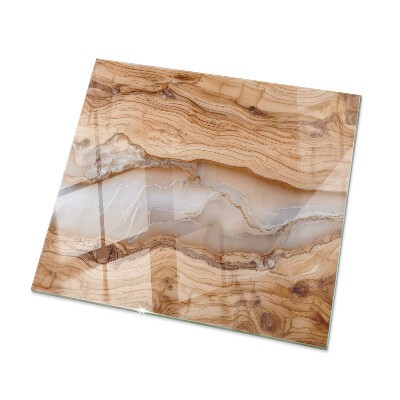
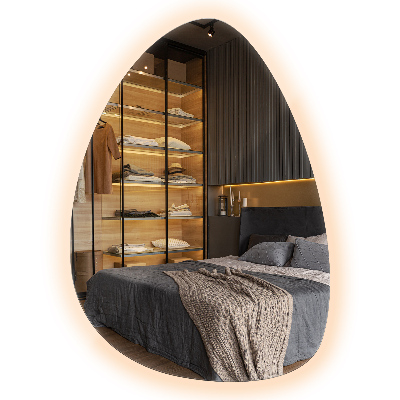
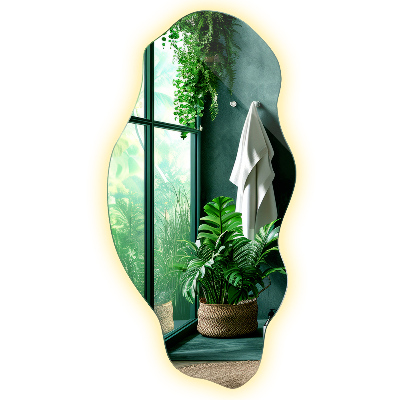
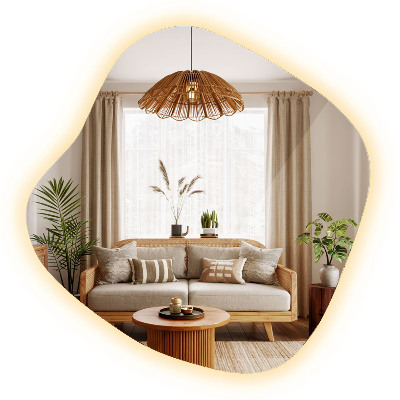
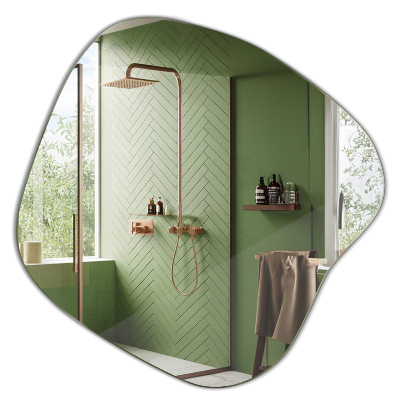
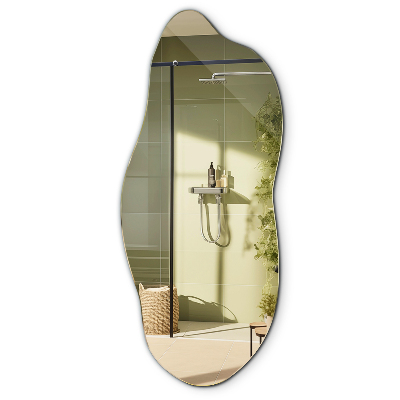
If you’re looking for something unconventional, go for a modern mirror with an irregular shape reminiscent of a spilled drop of water or a soft cloud. Irregular mirrors give interiors a contemporary character - such a model with an organic shape plays the role of a standalone work of art, replacing traditional paintings or graphics.
The mirror frame should match the interior style and directly reference finishing details – cabinet handles, the base of the coffee table, curtain rods, or light fixtures. Remember that the mirror frame should harmonize with other interior elements, helping you avoid a sense of randomness.
Loft and industrial style: In raw, loft-like spaces, mirrors in metal frames look excellent. In the loft style, metal frames work best – simple, powder-coated in matte anthracite or with fashionable muntins dividing the pane into smaller sections. A mirror in a black frame or a thin metal frame is synonymous with urban elegance, which pairs wonderfully with brick, concrete, and raw oak wood.
Glamour and modern classic style: Opulence, sparkle, and elegance love gloss. Mirrors in a gold or silver frame suit the glam style, reflecting the light of crystal chandeliers. A decorative mirror in a gold frame, a brass setting, or a richly embellished frame with stucco ornaments will become the spectacular focal point of the entire arrangement.
Scandinavian and boho style: Here, nature reigns. Boho-style mirrors should have frames made of natural materials such as woven rattan, seagrass, bamboo, or solid wood with visible grain. In Scandinavian minimalism, a frame of light ash or whitewashed oak will work perfectly.
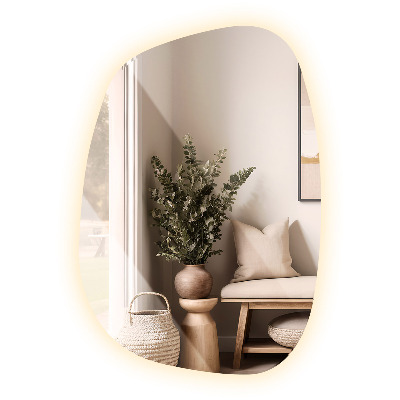
Minimalist style: In spaces that value austere form, panes with integrated LED backlighting are unmatched. Backlit mirrors lend a minimalist character, creating a soft, futuristic glow around the furniture. Frames-less models are also an excellent solution – frameless mirrors are universal and visually lighter, allowing them to blend harmoniously with the wall structure.
A mirror is not just a static image - it’s a living frame that changes with the time of day and the viewing angle. Consciously hanging a mirror requires taking into account the surroundings and sources of natural light.
Did you know that placing a mirror opposite a window maximally brightens the living room? The pane then acts like an additional window, catching sun rays and distributing them throughout the room. In a small living room, this trick can work wonders - it makes the space feel twice as large and full of freshness. Thanks to this, a mirror hung in the living room effectively optically enlarges the space, giving it depth that can’t be achieved with traditional decorations.
Before you pick up the drill, do a simple test: check what will be reflected in the mirror before mounting it. This is one of the most important tips from professional decorators!
Ensure the reflection shows an aesthetic zone: a striking lamp, green potted plants, a bookshelf, or decorative wallpaper.
Avoid situations where the mirror doubles messy work areas, a tangle of cables behind the TV, or a dark, narrow hallway.
If you don’t want to cover the entire wall with a mirror, one well-exposed decorative mirror in a decorative frame will successfully create the desired sense of spaciousness.
Mounting the pane on the wall is only half the success. To create a nook worthy of an interior design magazine, maintain balance between the mirror and the sideboard and choose thoughtful accessories for the top.
You don’t have to limit yourself to one element. Although large mirrors are a safe and expressive choice, in eclectic interiors, a set of two or three smaller mirrors in different shapes or with different frame finishes works brilliantly. Such a wall composition is just as dynamic as traditional wall decor.
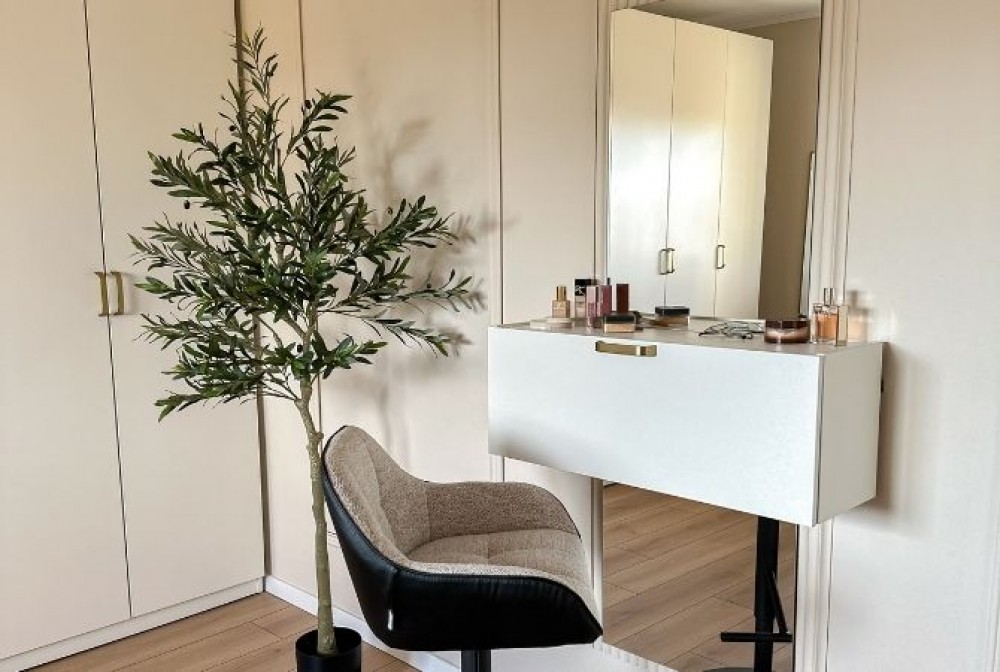
Interior decorators love the technique of layering. Use the space between the sideboard top and the bottom edge of the frame:
The rule of asymmetry - if your mirror in the living room hangs perfectly centered, place a taller element on one side of the top (e.g., a slim table lamp or a vase with pampas grass), and on the other side, stack art albums horizontally with a scented candle on top.
Cascading layering of decor - gently lean a small framed graphic against the lower corner of a large mirror. This casual accent breaks stiffness and adds homely warmth.
The magic of glass reflections -place tinted glass vases on the sideboard top. When light hits them, the pane doubles the reflections, creating a spectacular play of colors.
Trendy mirrors are timeless furnishing elements that combine impeccable functionality with top-tier design. Once you know the principles of proportion and what to pay attention to during installation, the decision becomes simple and pleasant.
Don’t be afraid of changes at home! A well-thought-out living room arrangement with a beautiful mirror in the leading role will make the room feel brighter, more spacious, and full of elegance. Browse the offer, find a model suited to your interior, and enjoy a transformed, light-filled home every day!